Japanese Shoppers Buy Trust, Not Just Packaging: Why K-Food Needs Product Integrity
Accurate product imagery, consistent quality and after-sales response can turn an initial purchase into long-term demand
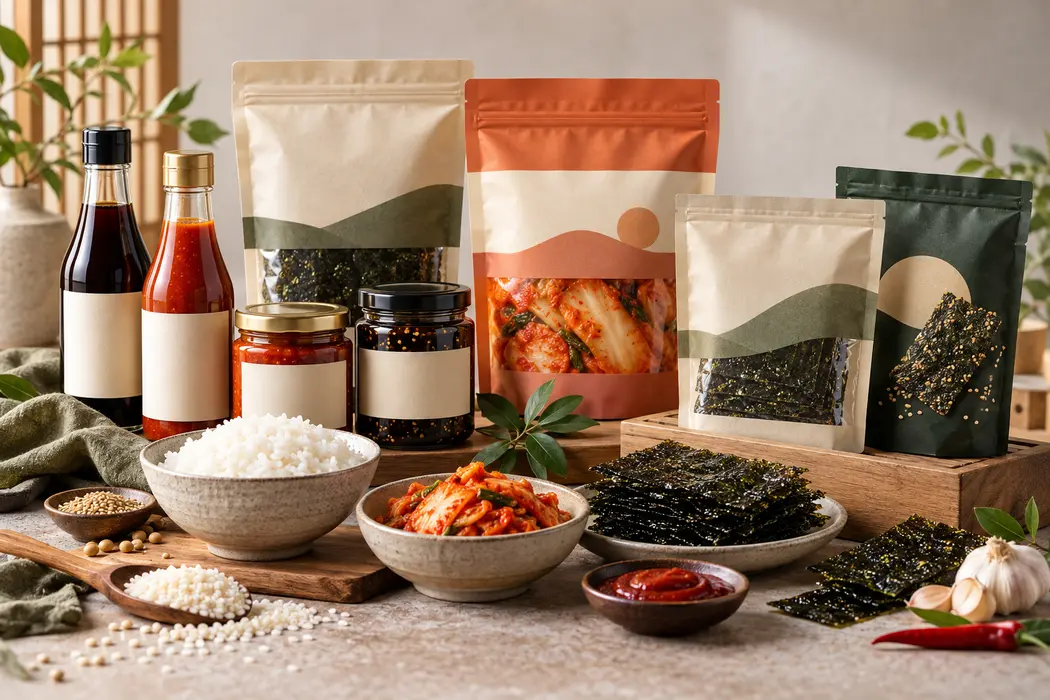
AI-generated illustrative image · Not an actual product photograph
As Korean food reaches more overseas consumers, attracting a first purchase and securing a repeat purchase must be treated as different challenges. Shoppers choose products based on packaging images and descriptions, but form their final judgment when they open the package. If the actual contents differ greatly from what was promised, eye-catching marketing alone cannot sustain trust.
Manage expectations in the Japanese market
Japan is a competitive market with domestic and overseas food brands. Korean-themed designs and cultural popularity can attract attention, but long-term sales depend on whether ingredients, quantity, appearance and taste match what the packaging promises. Product photography is, in effect, the manufacturer’s first commitment to its customer.
The issue goes beyond regulation
Japan’s Act against Unjustifiable Premiums and Misleading Representations addresses misleading claims about product quality and content. South Korea also regulates false, exaggerated and deceptive food advertising. Neither country should be portrayed as uniformly compliant or non-compliant. The real export lesson is to manage customer expectations consistently, beyond merely meeting minimum legal standards.
Packaging is a promise of quality
A picture of fruit-filled confectionery shapes expectations about the amount and placement of the filling. For rice snacks and traditional drinks, consumers rely on information about ingredients, taste and net content. Exporters should not photograph only the most attractive sample if it is unrepresentative of ordinary production. Where contents naturally vary, explanations should avoid creating a misleading impression.
Importers assess complaint-handling capability
Once products reach Japanese shelves, consumer complaints may be passed from retailers through importers to overseas manufacturers. Variations in weight, packaging defects or discrepancies between imagery and actual contents demand investigation and corrective action. Exporters should be able to explain their inspection criteria, quality controls and complaint-response procedures to trading partners.
Regional food producers have much to gain
Food processors in Jeonbuk and other Korean regions work with rice, barley, fruit and vegetables, often without large overseas marketing budgets. Accurate explanations of sourcing, ingredients and manufacturing processes can be more valuable than lavish promotion. Traditional Korean drinks, for example, need understandable Japanese names, flavor descriptions and reliable ingredient information.
AI-generated imagery requires clear boundaries
AI can reduce the cost of promotional design, but it can also depict fruit, cream or other ingredients that do not exist in the actual product. Exporters should distinguish illustrative AI graphics from photographs of real goods. On overseas marketplaces and in catalogs, actual product photos and accurate content information should remain readily available.
Measure repeat orders, not only first shipments
Trade programs often highlight consultations, contracts and first listings. Sustainable export performance also depends on repeat purchases, importers’ replenishment orders, complaint rates and improvement measures. Exporters should incorporate local consumer and distributor expectations at the product-development stage.
Global K-Food starts with small promises
Accurate packaging, consistent contents, clear ingredient disclosure and reliable quality matter more than a single advertising campaign. K-Food competitiveness begins on the shelf, but is ultimately tested the moment the consumer opens the package.