K-Beauty in Japan: Labels and the Local Responsible Company Matter
Marketing authorization, foreign manufacturer notification, ingredient labels and claims need careful review
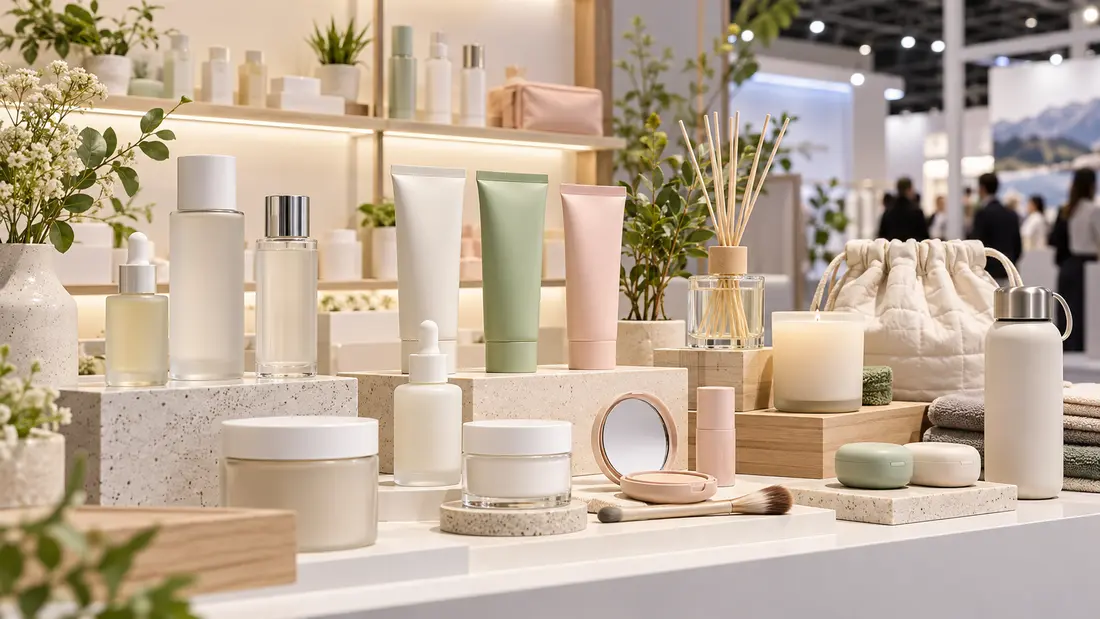
Illustrative image
Japan requires a responsible local structure
Popularity does not automatically authorize Korean cosmetics for sale in Japan. Companies must review requirements under Japan’s Pharmaceuticals and Medical Devices Act, including relevant licenses and notifications, quality and safety responsibilities, labeling and advertising. The first question is which Japanese company will act as the responsible marketing authorization holder.
1. A trading agent is not necessarily the responsible license holder
A Japanese cosmetics marketing authorization holder has legal responsibilities for products placed on the market. An ordinary importer, distributor or sales agent does not necessarily hold the requisite license. Ask about the license, product filings, quality assurance and post-market safety systems.
2. Foreign manufacturer notification
Japan’s PMDA explains that products manufactured abroad for marketing in Japan require notification concerning the foreign cosmetics manufacturer or marketing entity. The Japanese marketing authorization holder carries out the relevant filing. Korean manufacturers must provide correct legal-entity and facility information.
3. Packaging, labeling and storage can require a manufacturing license
Certain packaging, labeling and storage activities in Japan fall within cosmetics manufacturing-license requirements. PMDA also notes that facilities holding imported cosmetics after customs clearance require the relevant manufacturing license. Verify that subcontractors and warehouses are appropriately authorized.
4. Verify ingredients and product classification
Review prohibited or restricted cosmetic ingredients under Japanese standards and prepare accurate Japanese ingredient disclosures. Formula records, including current information from an OEM plant, should correspond with the labeling.
5. Identify the legally responsible company on labels
Depending on the product and rules, required information includes the product name, name and address of the marketing authorization holder, lot or manufacturing identification and ingredient information. Usage warnings and expiry dates may depend on the formulation and applicable standards.
6. Do not translate Korean efficacy claims word for word
Cosmetic advertising claims in Japan have defined limits. Claims implying treatment, regeneration or anti-inflammatory medical effects may be problematic for ordinary cosmetics. Quasi-drugs follow a different classification and approval framework.
7. Be cautious when spotlighting individual ingredients
An advertisement prominently featuring one ingredient must not mislead consumers into assuming superior efficacy or safety. Japan’s health ministry has published guidance on the highlighting of specific cosmetic ingredients.
8. Agree on complaints and recalls
A contract should explain how customer complaints, quality incidents, returns and recalls are received, investigated and escalated. Korean producers and Japanese responsible companies should agree on change notifications, evidence sharing, responsibilities and costs.
9. Assemble a practical buyer file
Bring full ingredient lists, specifications, package images, manufacturing-site details, available test reports, lot-tracking information, MOQ, lead times and export prices. Ask the partner about its authorization, product-filing route, licensed storage and labeling sites, channels and compliance staff.
10. Even a small test sale needs compliance
Pop-ups and small pilot orders may help test demand, but low volume does not eliminate applicable marketing requirements. Establish a lawful supply chain before conducting retail trials.
Strong products need responsible operations
In Japan, product quality must be matched by transparent ingredients, trustworthy labels and effective incident response. Clear cooperation between Korean producers and Japanese marketing authorization holders enables sustainable K-beauty brands.
Official references: PMDA foreign cosmetics manufacturer filing · MHLW cosmetic ingredient-claim guidance. Requirements depend on product classification and should be reconfirmed before trade.